The (sometimes not so) glamorous life of a wild animal keeper! I’ve worked with everything from song birds to birds of prey, newborn pronghorn antelope, wild bobcats, and so many fascinating creatures in between. I’m far from having seen it all… but I’ve certainly smelled more than anyone would (read: should) admit.
Whenever keepers are asked how we got our jobs, the first answer I give is: get a degree. In what, you ask? A lot of us have one in biology, wildlife, or zoology, but I have known plenty of psychology and and even humanities graduates. The second (and equally required) answer: volunteer.*
Raking exhibits, carrying heavy diet buckets, and scrubbing kennels at T & D’s Cats of the World Animal Refuge – not what everyone expects! The truth is this is part of our daily lives, it’s where we all start, and continue even as senior keepers and managers. But the rewards of tigers chuffing (a sort of snorting behavior similar to your cat purring to say hello), umbrella cockatoos asking for head scratches, and feeding popcorn scented binturongs grapes is all worth the dirty work.

Black bear at T & D’s enjoying a soak in his tub
After volunteering with T & D’s for a year, I decided to do a summer internship with Centre Wildlife Care, also known as CWC. Have you ever seen an injured hawk or an orphaned skunk? CWC takes them in along with more than 1,000 birds, mammals, reptiles, and amphibians from across Pennsylvania every year. With the help of the director and only a few other interns and volunteers, I hand raised songbirds, bottle fed raccoons, got sprayed by an upset baby skunk (we liked to soften the blow and call it “poofing”)… and so much more. To this day the internship with CWC is one of the proudest and most challenging steps of my career.
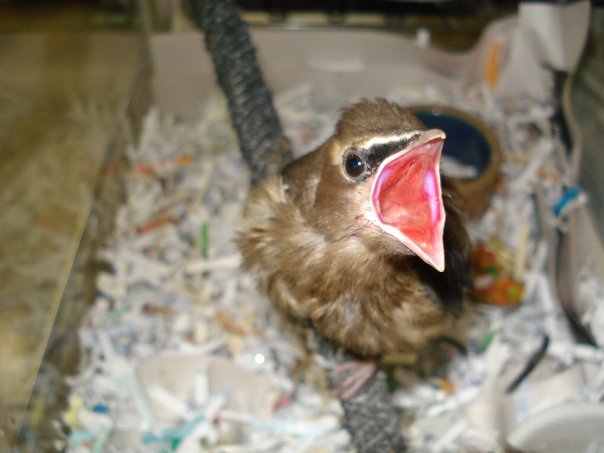
A cedar waxwing let’s us know when it’s lunchtime
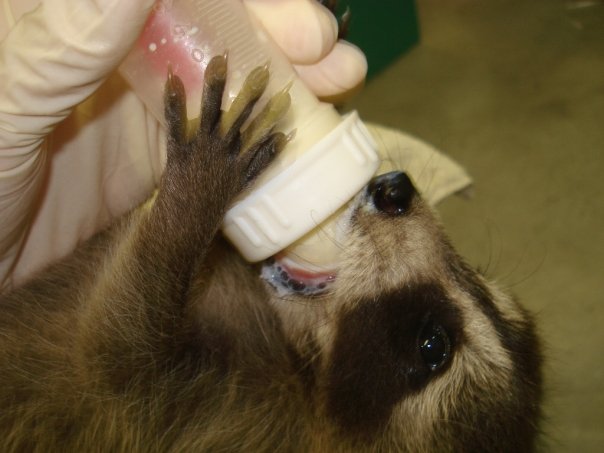
Raccoon orphans need constant attention – and endless bottles
It’s these experiences – volunteering and interning – that help keepers gain the knowledge and experience necessary to contribute to the zoos and conservation programs we all hope to work for.
Some other adventures along the way:
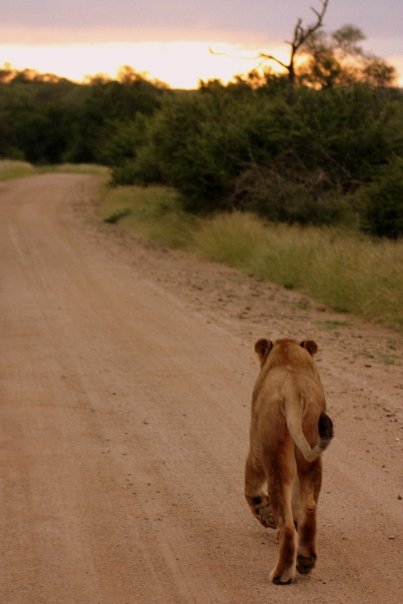
Lioness on a morning hunt
Work with the Children’s Zoo animals at the Bronx Zoo!

Evening feeding for the Bronx Zoo’s Children’s Zoo great horned owls
Wild Animal Keeper at the Queens Zoo:
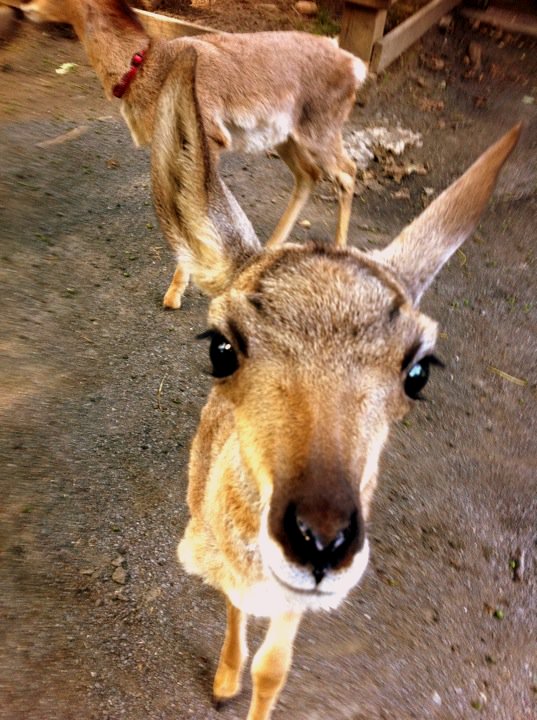
Hand rearing pronghorn antelope fawns
*If you have no intention of becoming a zoo keeper, but want to spend your free time helping animals, you can volunteer at these places too! Many rrehabilitation centers, wildlife refuges, and animal shelters are non-profit and non-government subsidized, so they can use all of the help they can get.
This blog is under construction – check back soon for updates!
Thanks!
-Robin, The Blonde Keeper
 The Blonde Keeper